
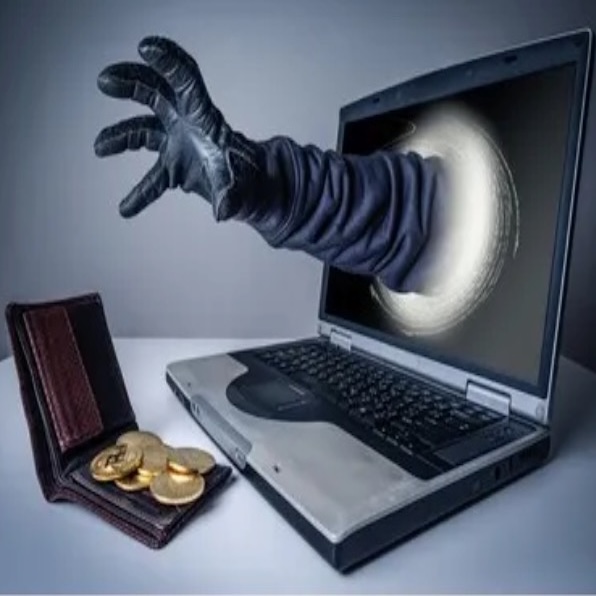
Bitcoin security isn’t just about using strong passwords or keeping your coins in a hardware wallet. It’s also about what you share online—and who’s paying attention.
Oversharing, even casually, can make you a target. Mentioning your holdings in a tweet, dropping screenshots in a chat, or linking your identity to a wallet address might seem harmless, but these small details can add up quickly for someone looking to exploit them.
You don’t need to be rich or well-known to attract attention—just visible.
Crypto-related conversations are often monitored by scammers and bad actors using automated tools and social engineering tactics. They look for patterns: usernames, reused handles, public transactions, or comments that hint at ownership.
To protect yourself:
- Be discreet about your Bitcoin activity in public or semi-public spaces.
- Avoid linking your real identity to wallets, exchanges, or transaction data.
- Use pseudonyms where possible and compartmentalize your crypto life from your personal identity.
- Stay informed about phishing, social engineering, and other common attack methods.
In the Bitcoin world, privacy is a layer of security.
Take time to understand how to secure not just your assets, but your digital footprint. A few smart habits today can protect your wealth—and your personal safety—tomorrow.
 Spanish
  English